What Is HRMS Software and How Does It Help Businesses Manage Employees
If you run a business, you already know that people are your biggest asset and also your biggest headache. Tracking attendance, calculating salaries, approving leave and keeping records can swallow hours every week. That is why more companies are turning to HRMS software Chennai solutions to bring all of this work into one simple system.
But what exactly is an HRMS, and is it worth the investment? Let’s break it down in plain language.
What Is HRMS Software?
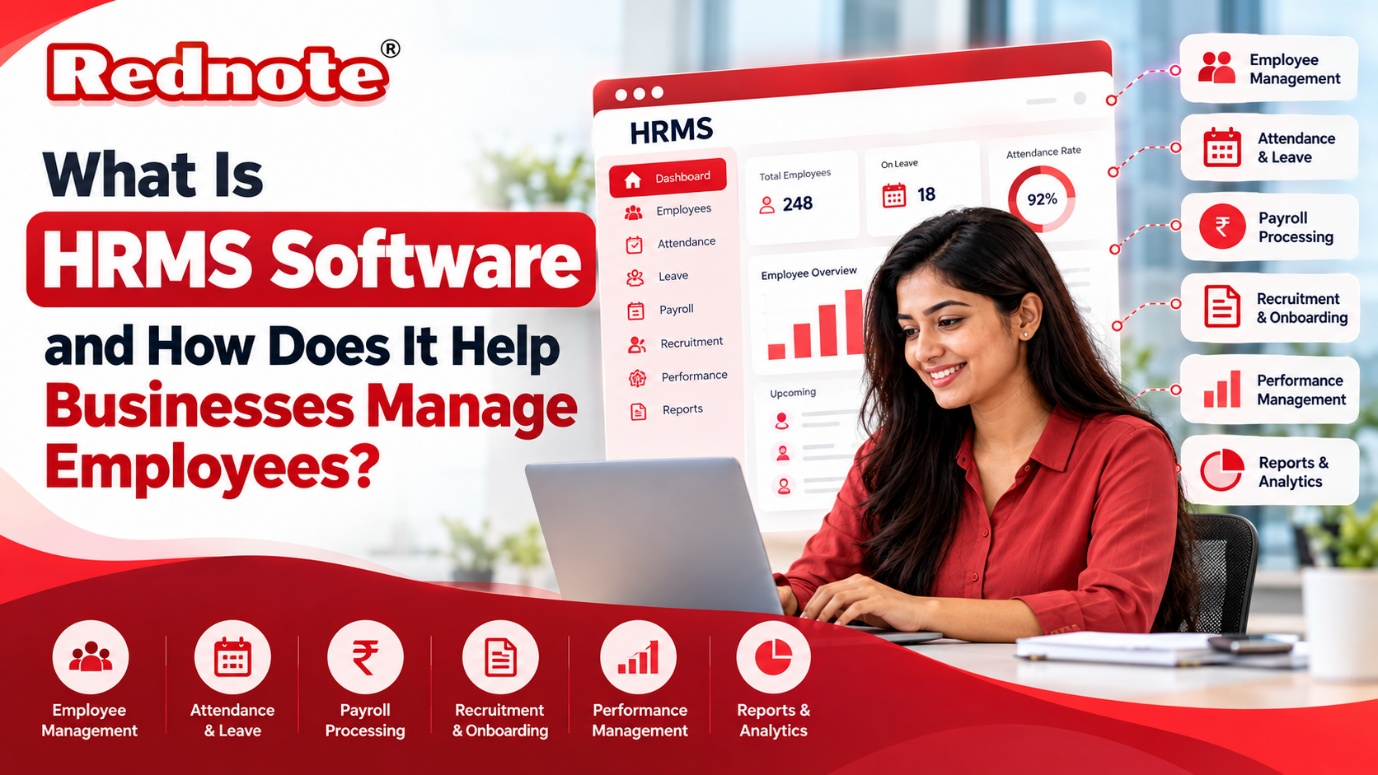
HRMS stands for Human Resource Management System. It is a digital platform that helps you handle every HR task from a single place. Think of it as a smart office assistant that never forgets a deadline, never loses a file and never makes a calculation error.
Before software like this, most HR teams relied on spreadsheets, paper files and endless email chains. That works when you have five employees. Once you reach fifty or a hundred, things start slipping. Someone’s leave balance is wrong, a payslip is delayed, or a joining document goes missing.
An HRMS fixes this by storing all employee information in one secure database and automating the routine work around it. If you are searching for HRMS software Chennai options, this is the basic promise to look for: less paperwork, fewer mistakes and one reliable source of truth.
Core Features of an HRMS
Not every system is built the same, but most good ones include these modules.
1. Employee database. Personal details, job history, documents, emergency contacts and bank information live in one place. You can find anything in seconds instead of digging through folders.
2. Attendance and time tracking. Employees can check in through a mobile app, biometric device or web login. The system records working hours, late arrivals and overtime automatically.
3. Leave management. Staff apply for leave online, managers approve with a click, and balances update on their own. No more confusion about who is off on which day.
4. Payroll processing. Salary calculation, tax deductions, provident fund, ESI and payslip generation happen automatically. This alone saves many HR teams several days every month.
5. Recruitment and onboarding. You can post jobs, track applicants, schedule interviews and send offer letters. After hiring, new joiners can upload documents and complete formalities digitally.
6. Performance management. Set goals, collect feedback and run appraisal cycles without chasing people for forms.
7. Reports and analytics. Want to know your attrition rate or monthly payroll cost? A good HRMS gives you those numbers instantly.
How HRMS Software Helps Businesses Manage Employees
Now for the real question: what difference does it make day to day? Here are the biggest benefits.
It saves a huge amount of time
Manual HR work is repetitive. Entering attendance, calculating pay and updating records are tasks a machine does better. When your HR team stops doing data entry, they can focus on things that need a human touch, like hiring good people and keeping them happy.
It reduces errors
A single wrong digit in a salary sheet can cause a dispute that takes days to fix. Automated calculations follow the rules you set, so mistakes drop sharply. This also helps you stay compliant with labour laws, since statutory deductions are handled correctly every time.
It makes employees more independent
Most modern systems include an employee self-service portal. Staff can download payslips, check leave balance, update personal details and raise requests without calling HR. People appreciate this, and it cuts down on the small questions that interrupt your team all day.
It improves transparency and trust
When attendance, leave and salary are all visible and rule-based, there is less room for confusion or favouritism. Employees see that the process is fair, and that builds trust over time.
It supports better decisions
Gut feeling only goes so far. With clear reports on absenteeism, hiring cost, overtime and attrition, owners and managers can spot problems early. If one department has unusually high turnover, you will see it in the data before it becomes a crisis.
It keeps your data safe
Paper files can be lost, damaged or accessed by the wrong person. A reliable HRMS uses role-based access, encryption and regular backups, so sensitive information stays protected.
Why More Local Businesses Are Making the Switch
Chennai has a lively business scene, with IT firms, manufacturing units, hospitals, schools, retail chains and fast-growing startups. Each of them has different HR needs. A factory cares about shift management and overtime. A software company cares about remote work and project-based attendance. A retail chain needs to manage staff across several branches.
This variety is why many companies prefer a local provider who understands Indian payroll rules, regional compliance and the way teams actually work here. When you compare HRMS software Chennai providers, local support, quick response and customisation deserve as much weight as the price tag.
Companies like Rednote.in focus on building practical tools for growing businesses, which is the approach you should look for: simple to use, flexible and backed by real people who answer your calls.
How to Choose the Right HRMS for Your Business
With so many choices, picking one can feel overwhelming. Keep these points in mind.
Start with your problems, not the feature list. Write down the three biggest HR pain points you have today. Is it payroll delays? Attendance disputes? Leave confusion? Choose a system that solves those first.
Check how easy it is to use. If your team needs weeks of training to understand the dashboard, adoption will fail. A clean, simple layout matters more than fancy extras.
Look for mobile access. Managers approve leave from their phones. Employees mark attendance on the go. A mobile-friendly system is no longer optional.
Ask about customisation. Your leave policy, shift pattern and salary structure are unique. The software should adapt to you, not the other way around.
Confirm compliance support. The system should handle PF, ESI, professional tax and TDS according to current Indian rules.
Test the support. Before you buy, see how quickly the vendor replies to questions. Good support during the trial usually means good support later.
Ask for a demo or free trial. Whichever HRMS software Chennai vendor you shortlist, nothing beats seeing the product with your own sample data.
Think about growth. The system that suits 30 employees should still work when you have 300. Make sure it scales.
Common Mistakes to Avoid
Many businesses buy software and then struggle with it. Usually the reason is not the product but the rollout.
- Skipping training. Even a simple tool needs a short orientation for staff and managers.
- Importing messy data. Clean up your employee records before moving them in. Bad data in means bad reports out.
- Doing everything at once. Start with attendance and leave, then add payroll and other modules in stages.
- Ignoring employee feedback. If people find it hard to use, they will find workarounds, and your investment is wasted.
Is HRMS Software Only for Large Companies?
Not at all. This is one of the most common myths. Small and medium businesses often gain the most, because they usually have one or two people handling HR along with a dozen other jobs. Cloud-based systems have made pricing flexible, so you can pay monthly based on the number of employees instead of making a big upfront investment.
If you are spending more than a few hours each week on attendance sheets and salary calculations, you are already at the point where an HRMS pays for itself.
Final Thoughts
An HRMS is not just a tool for storing employee data. It is a way to run your people operations smoothly, fairly and with far less stress. It saves time, cuts errors, keeps you compliant and gives you the insights you need to grow with confidence.
If you are ready to replace spreadsheets and paperwork with something smarter, exploring HRMS software Chennai providers is a practical first step. Talk to the team at Rednote.in, ask for a demo, test it against your own needs, and choose the one that feels simple, reliable and built for the way you work.